



Building resilient manufacturing teams in an uncertain supply chain environment
Why workforce resilience matters as much as supply chain resilience, and how succession planning, retention and flexibility keep manufacturers on track.
Hiring trends, skills shortages and career advice across engineering and technology, from Octagon Group.
50 articles
Why workforce resilience matters as much as supply chain resilience, and how succession planning, retention and flexibility keep manufacturers on track.

How streaming, IP infrastructure, cloud and remote production are changing audio and broadcast hiring in 2026, and what employers do differently.

See how smart buildings, connected systems, compliance and digital change are reshaping fire and security recruitment in 2026, and the skills in demand.

How automation, Industry 4.0, reshoring and NPI are changing electronics manufacturing recruitment in 2026, and what employers can do to secure talent.

Why certifications and regulatory knowledge now matter as much as technical skill when hiring fire and security engineers, and how employers can respond.

Why the fire and security skills shortage is lengthening hiring timelines, and how retention and workforce planning can turn it into an opportunity.

How Industry 4.0, AI, automation and digital manufacturing are changing the skills electronics manufacturers need, and why recruitment must adapt.

Why demand for audio technology professionals is growing across connected devices, DSP, broadcast, immersive audio and communications, and how to respond.

Why broadcast engineers are harder to hire as IP, cloud, streaming and remote production reshape the role, and what successful employers do differently.

How AI, connected healthcare, personalised medicine and regulation are shaping medical and life science recruitment in 2026, and how employers respond.

How quantum technologies, imaging, sensing, defence investment and photonic integrated circuits are driving optical and photonics recruitment in 2026.

Why photonics engineers are in demand across healthcare, communications, defence, manufacturing and quantum technologies, and why it is a strong career.

Why quality and regulatory professionals are in growing demand across medical technology and life sciences, and what successful employers do differently.

Why medical device engineers are in such demand, from regulated product development to connected healthcare, and what successful employers do differently.

Why photonics engineers are hard to hire, from specialised skills and quantum demand to competition with academia, and what employers do differently.

How electrification, renewable energy and SiC and GaN technologies are shaping power electronics recruitment in 2026, and what employers should focus on.

Why semiconductor businesses struggle to find skilled engineers, from long skill development to verification shortages, and how to improve hiring outcomes.

How AI, automotive electronics, power technologies and global investment are shaping semiconductor recruitment in 2026, and what employers should focus on.
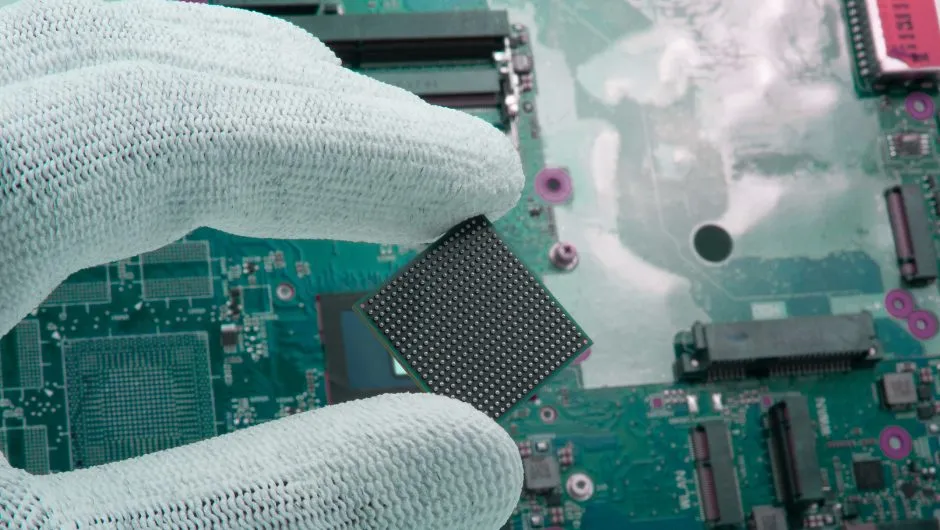
Why demand for power electronics engineers is growing in 2026, from electrification and renewable energy to SiC and GaN, and why they are hard to hire.

What power electronics engineers do, why electrification, aerospace and defence are driving demand, and the career opportunities opening up in the field.

Why experienced power electronics engineers are hard to hire as EVs and other industries compete for scarce skills, and how successful employers respond.

Explore the defence and space hiring trends for 2026, including rising investment, space sector growth, autonomous systems and security-cleared talent.

How defence spending, satellite communications and wireless connectivity are driving RF engineering recruitment in 2026, and how employers are adapting.

Why demand for satellite communications engineers is rising in 2026, what the role involves, and how employers can compete for multi-disciplinary talent.

Why security-cleared engineers are hard to find, how SC and DV clearance lengthen hiring timelines, and how defence organisations are responding.

Why RF engineers are among the hardest skillsets to hire, from deep specialist knowledge to security requirements, and how employers can attract them.

What systems engineers do, why modern defence and space programmes depend on them to reduce risk, and what employers should look for when hiring.

See the trends shaping aerospace hiring in 2026, from embedded software and systems engineering shortages to defence investment and contract growth.

Why embedded software engineers are so hard to hire in aerospace, from safety-critical and DO-178C demands to cross-industry competition, and what to do.

Why senior systems engineers are hard to find in aerospace, from an ageing workforce to longer hiring cycles, and how to improve hiring outcomes.

Practical advice for engineers and manufacturing specialists on writing a LinkedIn headline, summary and experience section that recruiters can find.

How engineers can show leadership on a CV: reframe roles around outcomes, highlight ownership, quantify results and tailor your emphasis to the role.

A practical CV template and tips for mid to senior engineering and manufacturing specialists, on showing impact, tailoring a CV and avoiding mistakes.

How to prepare for an engineering interview: what hiring managers assess, how to use the STAR method and how to answer common non-technical questions.

A four-step guide to tailoring your engineering or manufacturing CV to a specific role, plus common mistakes and a checklist before you apply.

Why depth, deliberate stability and lasting impact define strong engineering careers, the hidden cost of constant moves, and how to choose roles wisely.

Why engineering recruitment ROI goes beyond fees and time to hire, and how to weigh the risk and long-term value of every hire, including contractors.

A five-step framework to help engineers decide whether to move roles in 2026, from working out what is missing to weighing up the risk of staying.

Filling a role keeps work moving; hiring a leader changes how work happens. Learn the difference and the hidden cost of “safe” leadership hires.

How unfilled engineering and production roles quietly erode manufacturing margins through overtime and workarounds, and why cost-cutting rarely fixes it.

What good engineering recruitment looks like in 2026: clear context, fewer but better CVs, a process that removes uncertainty and a genuine partnership.

How vacant engineering roles quietly drain productivity and delivery in manufacturing, and why contractors can act as a strategic buffer while you hire.

Semiconductors, embedded systems and photonics are converging. Learn why engineers who span these disciplines are rare and why siloed hiring falls short.

How much water does ChatGPT use? Learn why AI data centres rely on water for cooling and what that means for the sustainability of artificial intelligence.

The UK Spring Budget 2025 changes affecting employment costs, including employer NICs and the minimum wage, and how Octagon helps businesses adapt.
Octagon supported FACES, a Bedfordshire charity helping local children and families facing difficult issues, as our charity partner for 2021.
Octagon Recruitment Group turns three. We celebrated with the team, welcomed a new starter, marked two work anniversaries and gave the office a makeover.
Octagon has partnered with the Trussell Trust and donated £1,000 to our local foodbank in Bedford to help fund emergency food parcels across Bedfordshire.
It’s our BIRTHDAY!!! Today we celebrate two years in business. This year has thrown us a few curveballs but we’re constantly learning, growing and improving.
Octagon donated £1,450 to our 2019 charity partner, Alzheimer’s Society UK, thanks to the clients and candidates we worked with during the year.